
Analyse

The firm
Who we are Compliance, advisory, research, training and audit, since 2021. Our team Six partners and managers, AMF-certified and CF-accredited. Our values Integrity, rigour, quality, availability, adaptability, confidentiality.Working with us
Our method Analysis, tailored solution, supported implementation. Our partners FAGACE, for strengthening African SMEs. Join us Positions at the firm and current recruitment.Featured
Every assignment is led by a partner.
Deliverables that hold up to scrutiny, and skills transferred to your teams.
Meet the team →Our six disciplines
Regulatory compliance Regulatory risk, governance, KYC, data protection. Advisory, research and organisation Market studies, risk mapping, records modernisation. Human resources and recruitment Recruitment for your teams, HR organisation, career management. Audit Internal audit, organisational audit, management control. Management and accounting Financial statements, budgets, stock management. Financial engineering Financial structuring and access to funding.Training
Compliance and governance Risk management, compliance, internal audit. Finance and accounting Accounting, finance, audit, management control. Management and leadership Leadership, management, human resources. Digital and technology Digital transformation, ICT, computing. Formats and calendar In-house, open enrolment, sessions announced.Featured
Seven disciplines, one standard.
Training is the seventh: eleven areas covered for ONASA, nine for SHT.
All our expertise →Compliance and audit
ARSAT Risk mapping of service stations. ADAC Assessment of directorate performance measurement. FNDS Organisational audit of human resources. SONACIM Overhaul of stock management. AGER Supervision of street regrading across N’Djamena.Management and training
ANATS Accounting support, digital archiving and EDM. ATCI Property management and business plan. CARMI Automated queue management. ONASA Three-year training agreement. SHT Capacity building for staff.Featured
Fifteen assignments, four sectors.
Thirteen for public institutions, state agencies or national companies.
All assignments and sectors →Watch and attend
Media Mission photographs, and a video watch of the sector. Calendar Upcoming training sessions announced.Featured
One article a week.
Money laundering, processing delays, recruitment: what goes wrong when it is poorly held.
Read the blog →In Chad, close to nine jobs in ten are informal. A young graduate is therefore not looking for a job on the market: they are looking for one in the small formal share of it.
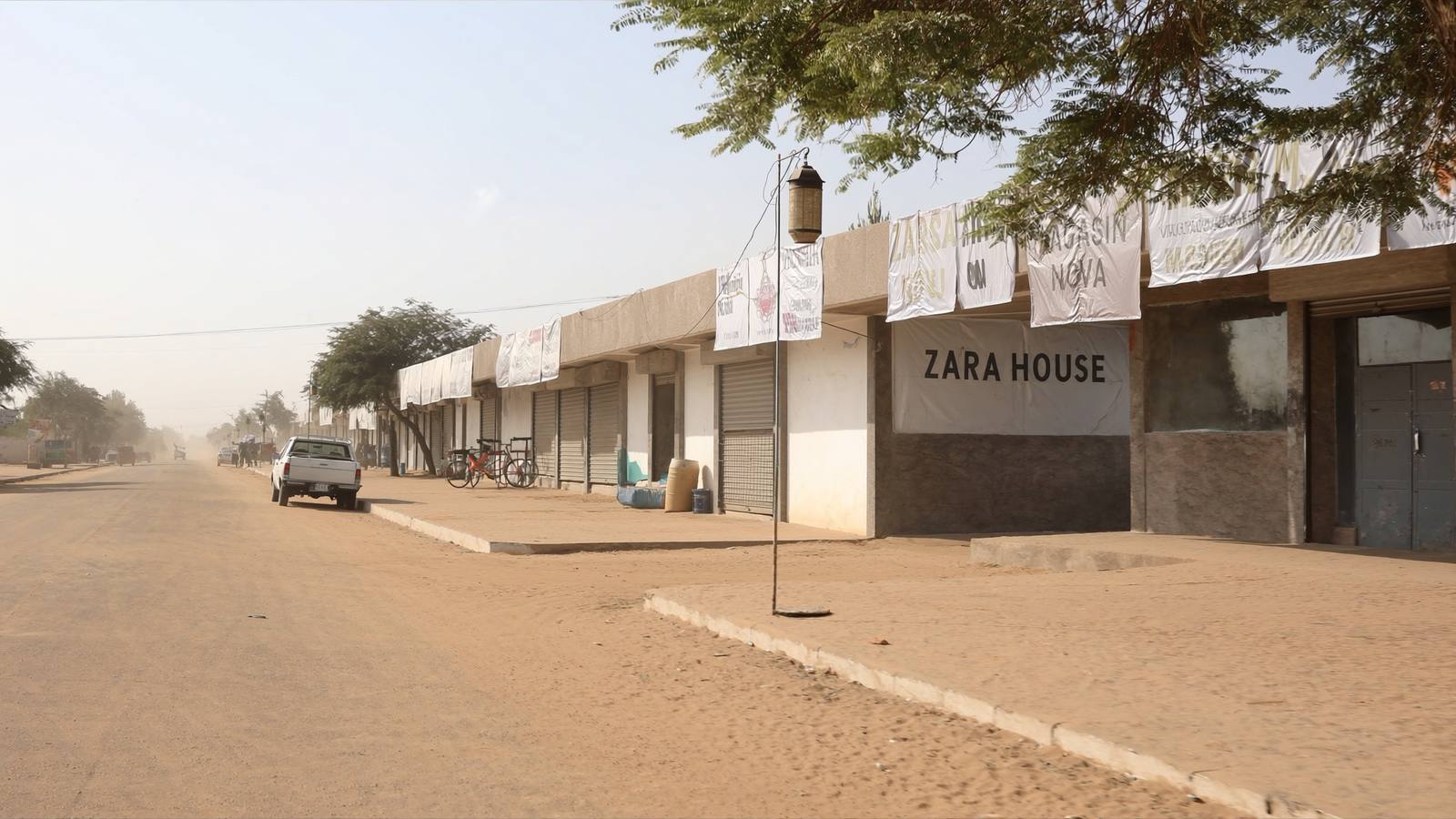
The figure is well known and seldom dwelt on: the World Bank estimates that around 88% of Chadian jobs are informal, in an economy where agriculture accounts for close to 40% of gross domestic product. Across the continent, the institution notes that close to 80% of Africans work informally.
A young person leaving training therefore does not face a labour market in the sense the term carries elsewhere. They face a narrow door, and most of the advice they are given assumes a wide one.
Informality is not unemployment. It is work — often hard, often long — but without a contract, without contributions, without a record. And without a record, there is no reference to produce five years later.
That is the least discussed consequence: two young people who did the same work for three years will not have the same employability, if one can prove it and the other cannot. The difference lies neither in talent nor in effort. It lies in the record.
The World Bank further notes that the informal economy accounts for more than 70% of total employment in emerging and developing economies, and close to a third of their gross domestic product. This is not a margin of the economy: it is the bulk of it.

We run recruitment for our clients. So we read a great many files, and a few observations recur.
Applications look alike. The same CV template circulates, the same phrases, the same list of software mastered. What sets a file apart is almost never one more qualification: it is an experience described precisely — what was done, on what, with what result.
Very few candidates find out anything about the organisation they are writing to. It is the simplest way to stand out, and it costs only time.
On the employers' side, the usual shortcut is to lament the standard of candidates. It is comfortable and unproductive. Skill is built over time, and a three-day session does not achieve it.
Our assignment for the National Food Security Office covers eleven areas of management, renewed year on year over three years. That format was not chosen for its size: over three years you can come back, correct, check what has stuck. Over three days you can only hand out a set of slides. That is the principle behind our training programmes.
The World Bank runs the RELANCE project in Chad and Mauritania, aimed at access to quality education and at outcomes for vulnerable young people. The logic is the same: duration is what makes the difference.
Read also
Analyse

Analyse
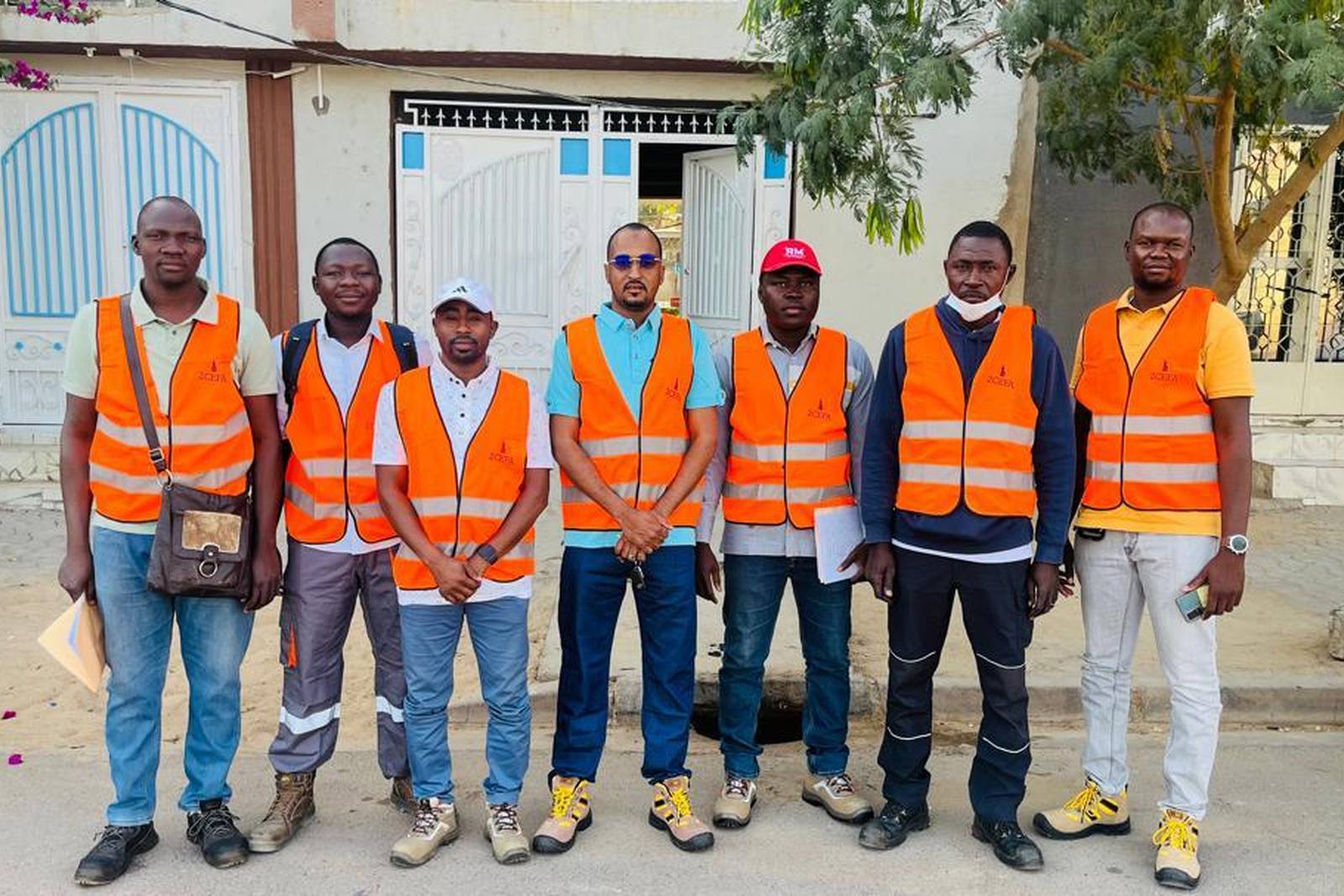
Retour de mission